Decaf has come a long way from the flavorless brown water of the past. Modern decaffeination processes preserve flavor while removing 97-99% of caffeine. Whether you are sensitive to caffeine or just want a late-night cup, understanding how decaf is made will help you choose beans that actually taste good.
The Swiss Water Story: A Chemical-Free Standard
If you see "Swiss Water Process" on a bag of coffee, you are looking at the gold standard of organic decaffeination. Developed in Switzerland in the 1930s and now based in Vancouver, Canada, this method is famous for being 100% chemical-free.
How It Works: The GCE Magic
The secret lies in something called Green Coffee Extract (GCE). This is water that is saturated with all the soluble compounds found in green coffee (flavors, sugars, oils) except caffeine.
- Immersion: Fresh green beans are soaked in this GCE.
- Osmosis: Because the GCE is already full of flavor compounds, the flavors in the beans have nowhere to go—they stay inside the bean. However, the GCE contains no caffeine, so the caffeine molecules in the beans naturally migrate out into the liquid to create balance.
- Filtration: The caffeine-rich GCE is then passed through a carbon filter that traps the caffeine molecules but lets the flavors pass through.
- Repetition: This cycle repeats for 8-10 hours until 99.9% of the caffeine is removed.
The result? A bean that retains its original terroir and flavor profile without using a single drop of methylene chloride.
The Science of Solvents: The Sugarcane Process
For years, "solvent-based" decaf had a bad reputation. Consumers imagined industrial chemicals soaking their beans. But there is a natural solvent method that is taking the specialty coffee world by storm: The Sugarcane Process (Ethyl Acetate).
Nature's Solvent
This method is widely used in Colombia, where sugarcane grows in abundance. The process uses Ethyl Acetate (E.A.), a natural compound derived from fermenting molasses (a byproduct of sugarcane production).
The green beans are steamed to open their pores and then washed in an E.A. solution. The E.A. bonds with the caffeine molecules and extracts them. Finally, the beans are steamed again to remove any remaining traces of E.A.
Why It Tastes So Good
Coffee professionals often call this "Sugar Cane Decaf." Why? Because the process tends to enhance the coffee's sweetness. These decafs often have distinct notes of banana, brown sugar, and cooked fruit. It is a favorite among roasters because it preserves the bean's cellular structure better than other solvent methods, leading to a cup that is indistinguishable from regular specialty coffee.
Why Decaf Beans Look Oily? (Roasting Challenges)
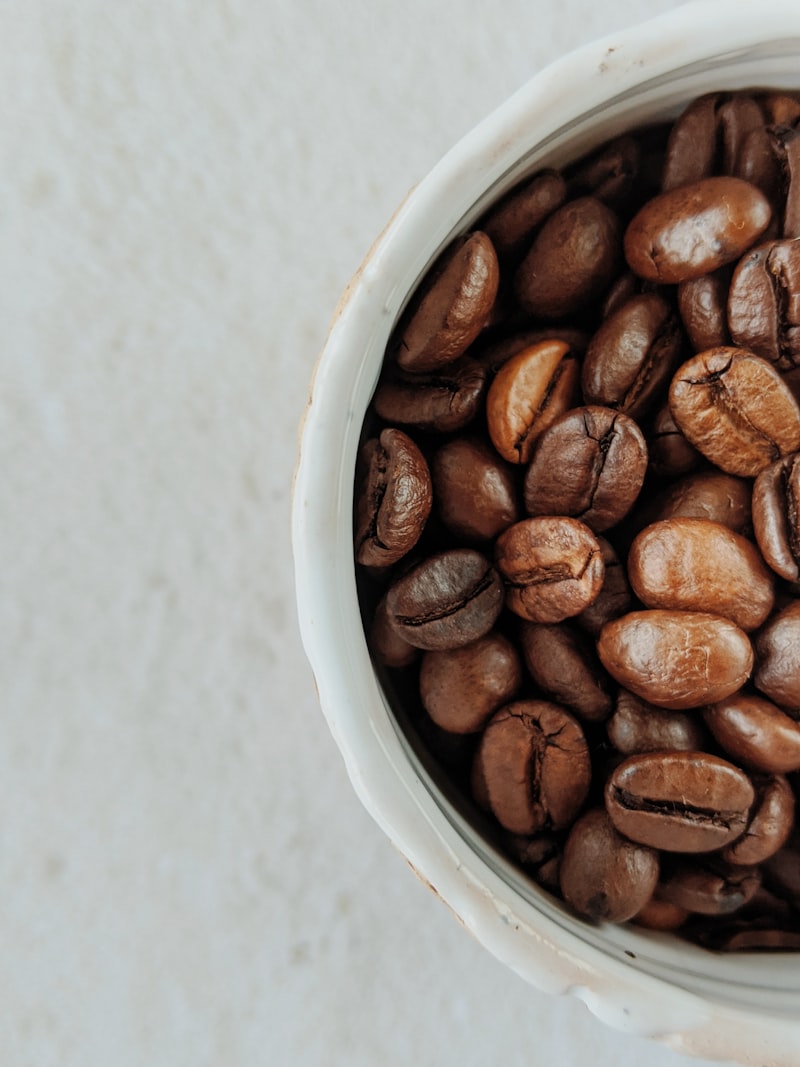
If you buy a bag of medium-roast decaf, you might be surprised to see the beans look dark and oily. Did the roaster burn them? Probably not.
Decaffeination is a physically intense process. Soaking, steaming, and drying the green beans alters their cellular structure. The cell walls become more porous and brittle. This has two major effects during roasting:
- Faster Color Change: Decaf beans turn brown much faster than regular beans. A visual "medium roast" on a decaf bean might actually taste like a light roast.
- Oil Migration: Because the cell structure is weakened, the natural oils inside the bean migrate to the surface much more easily. An oily surface on decaf does not necessarily mean it is a dark roast; it is often just a side effect of the processing.
Antioxidants without the Jitters
One of the biggest myths about decaf is that it has no health benefits. Research shows this is false. While caffeine is removed, coffee's other powerhouse compounds—polyphenols and antioxidants—remain largely intact.
Drinking decaf allows you to enjoy the anti-inflammatory and cell-protecting benefits of coffee without the side effects of cortisol spikes, anxiety, or insomnia. It is the perfect solution for health-conscious coffee lovers who want to maintain their ritual well into the evening.
Is Decaf Really Caffeine-Free?
It is important to note that "decaf" does not mean "zero caffeine." International standards typically require 97% removal, while the Swiss Water Process guarantees 99.9%. An average cup of decaf may still contain 2-5mg of caffeine (compared to 95mg+ in a regular cup). For most people, this is negligible, but for those with extreme hypersensitivity, it is worth knowing.
Avoid generic "Decaf" labels. Look for specific processing methods like "Swiss Water Process" or "Sugarcane E.A." on the bag. These indicate that the roaster cares about quality and transparency.