Coffee is a universal language, but the dialect changes in every city you visit. In Melbourne, it's a religion. In Tokyo, it's a meditation. In Berlin, it's a statement.
For the true coffee lover, travel isn't just about seeing sights; it's about tasting the local terroir, understanding the rhythm of a neighborhood cafe, and witnessing how a global bean is interpreted through a local lens. Forget the generic "Top 10" lists that send you to tourist traps. This is a deep dive into the soul of the world's most vibrant coffee cities. We explore not just where to go, but understand why they brew the way they do, and how you can order like a local.
Melbourne, Australia: The Anti-Starbucks Capital
There is a reason Starbucks famously failed to conquer Australia, closing 70% of its stores in 2008. Melbourne already had something better. Here, coffee is not a quick caffeine fix; it is a culinary product treated with the same reverence as fine wine or artisan cheese. The city is defined by its "Third Wave" pioneer spirit, born from post-WWII Italian immigration but evolved into something uniquely Australian.
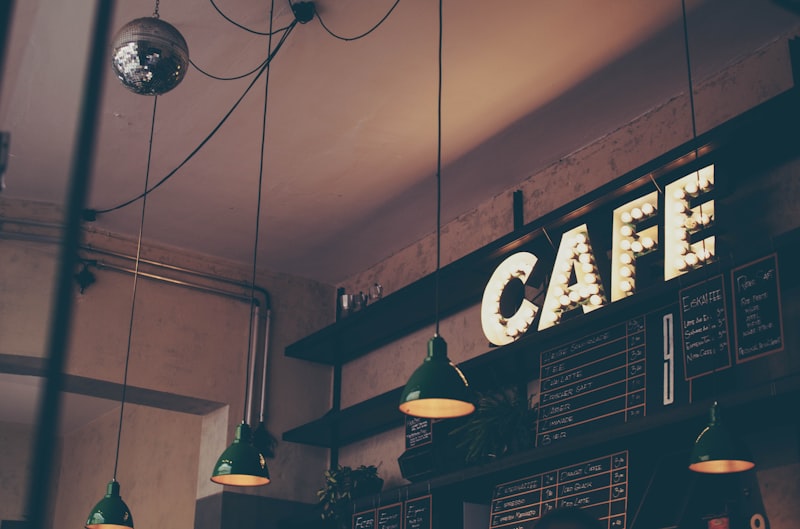
Walking through Melbourne's laneways (narrow alleys covered in street art), you'll find cafes that don't even have signs. They don't need them. The locals know where the good stuff is. The service is casual but incredibly knowledgeable—your barista probably knows more about the farm your beans came from than the farmer does.
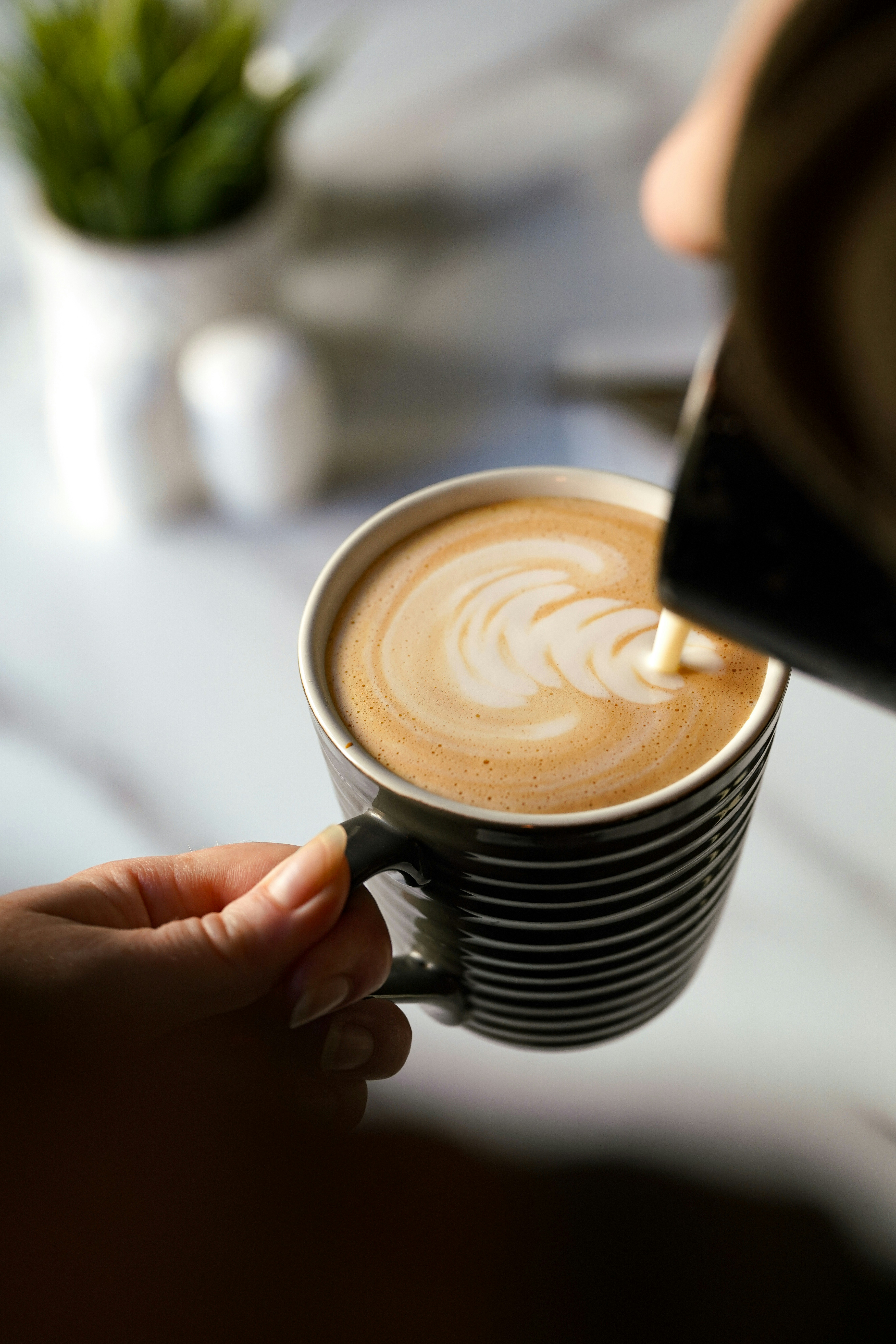
While New Zealand also claims it, Melbourne popularized the Flat White globally. It's not just a latte. It's a double ristretto (a shorter, sweeter espresso shot) topped with a thin layer of silky micro-foam. The milk is textured to fold into the crema, not sit on top of it. The result is a drink that highlights the espresso's flavor profile rather than drowning it in dairy.
Where to Go
- Patricia Coffee Brewers: A standing-room-only institution hidden in an alley behind a legal precinct. There are no seats, no food, just perfection in a cup. It captures the fast-paced but quality-obsessed heart of the city.
- Market Lane Coffee: With their famous slogan "We love to make coffee for the city that loves to drink it," Market Lane focuses on seasonality. Their pour-overs are legendary, served in fine bone china with detailed tasting notes.
- Seven Seeds: The university district warehouse that trained a generation of baristas. It's loud, busy, and serves some of the best brunch and coffee pairings in the world.
What to Order
A Magic. It’s a Melbourne secret menu item that has become a local handshake. A double ristretto poured into a 5oz cup, filled 3/4 with milk. It has a higher coffee-to-milk ratio than a flat white, offering a punchy, intense flavor with the same silky texture. Ask for it, and the barista will nod with respect—you're one of them now.
Tokyo, Japan: The Duality of Old and New
Tokyo's coffee scene is a tale of two eras existing simultaneously. On one side, you have the Kissaten (喫茶店)—smoky, dimly lit, old-school tearooms where elderly masters brew aged beans with agonizing slowness. On the other, you have the ultra-modern, minimalist specialty shops that treat brewing like a science experiment.
In a Kissaten, time stands still. The decor is often velvet seats, dark wood, and antique clocks. The coffee is roasted dark, often aged for years (yes, years) to develop complex, boozy flavors. In contrast, modern Tokyo cafes are bright, white, and obsessed with the "Nordic style" of light roasting to highlight floral and fruity notes.
Where to Go
- Cafe de L'Ambre (Ginza): Open since 1948, this legend only serves coffee. No food, no milk, no sugar. Some of their beans have been aging in the cellar for over 40 years. It’s a time capsule of coffee history.
- Glitch Coffee & Roasters (Jimbocho): The leader of the modern light roast movement. They specialize in rare, experimental processing methods like Anaerobic Fermentation. The shop looks like a laboratory crossed with a hipster hangout.
- Fuglen Tokyo (Shibuya): A slice of Oslo in Tokyo. By day, it's a world-class espresso bar serving acidic, fruity coffees; by night, it transforms into a cocktail lounge. The vintage mid-century furniture makes you feel like you're in a 1960s living room.
What to Order
In a Kissaten: Hand Drip (Nel Drip). It’s brewed through a flannel cloth filter (nel) rather than paper. This allows the coffee oils to pass through, creating a thick, syrupy body that coats your tongue.
In a Modern Shop: Single Origin Pour Over. Tokyo baristas are obsessed with clarity. Expect to taste notes of jasmine, peach, or bergamot.
Copenhagen, Denmark: The Acid Trip
If you think coffee should taste like chocolate and nuts, Copenhagen might shock you. This is the global home of the "Nordic Roast"—beans roasted so lightly they preserve the fruit's natural acidity. To the uninitiated, it might taste like lemon tea or sour juice. To the convert, it is the purest expression of the coffee cherry.
The Danish concept of Hygge (coziness) permeates the cafes, but the brewing is rigorous. Thanks to the exceptionally clean tap water in Scandinavia, roasters don't need to hide defects with dark roasting. They let the bean speak for itself.
Where to Go
- Coffee Collective: The pioneers of Direct Trade. They pay farmers prices far above Fair Trade standards and publish the data in transparency reports. Their coffee is sweet, clean, and ethical.
- Prolog Coffee: A chaotic, energetic spot in the Meatpacking District. It feels more like a bustling bar than a quiet cafe. Their service is incredibly warm, breaking the stereotype of the "cool, distant barista."
- April Coffee Store: A showroom of minimalism. Founder Patrik Rolf designs his own brewers and cups to perfect the extraction. It is a sanctuary of silence and focus.
What to Order
Filter Coffee (Batch Brew). In most of the world, "batch brew" (coffee made in a machine) is an insult. In Copenhagen, it is an art form. The machines are calibrated to within a degree, and the recipes are dialed in daily. It's sweet, juicy, and perfect—and you get it instantly.
Berlin, Germany: The Uncompromising Purists
Berlin's coffee scene mirrors its famous techno club scene: intense, raw, and rule-bound. This is where the "No Sugar, No Soy, No Wifi" attitude gained international fame. The focus is entirely on the product quality, sometimes at the expense of customer comfort. If you ask for caramel syrup, you might be politely (or not so politely) refused.
The aesthetic is "Industrial Chic"—exposed concrete, reclaimed wood, and minimal seating. It's not about being cozy; it's about waking up. The coffee is often roasted very light, similar to the Nordic style, but with a uniquely Berlin edge.
Where to Go
- The Barn: The most famous (and polarizing) roastery in the city. They are credited with bringing specialty coffee to Berlin. They roast ultra-light and have strict brewing protocols to ensure consistency across their locations.
- Five Elephant: Located in Kreuzberg, they are famous for two things: their exceptional coffee and their legendary cheesecake. It's a neighborhood spot with global acclaim.
- Bonanza Coffee Heroes: Hidden in a courtyard, their roastery looks like a science lab. They serve some of the cleanest roasts in Europe, focusing on sweetness and clarity.
What to Order
Flat White with Oat Milk. Berlin embraced oat milk (specifically Oatly) before almost anyone else in Europe. The creamy, slightly malty taste of oat milk pairs perfectly with the sharp acidity of Berlin's light roasts. It's the drink of the creative class.
Seoul, South Korea: The Aesthetic Revolution
In Seoul, a cafe is not just a place to drink; it is a stage. The city has exploded with "Cafe Hopping" culture, where young people spend weekends visiting multiple cafes to photograph the interiors and the drinks. But don't be fooled by the focus on aesthetics—the coffee quality in Seoul is world-class.
The trend is "Newtro" (New + Retro). You'll find cafes built inside 100-year-old Hanok (traditional Korean houses) or converted industrial factories. The visual impact is paramount, but the baristas are armed with top-tier equipment and championship-level skills.
Where to Go
- Fritz Coffee Company: A retro-branded roaster set in a traditional Hanok house. The juxtaposition of their seal logo, 80s aesthetics, and tile roofs is iconic. Their bakery is just as famous as their brewing.
- Onion Anguk: A sprawling bakery cafe that blends old Korea with modern concrete and glass. Sitting on the floor on a traditional mat while drinking a latte is a quintessential Seoul experience.
- Anthracite: Converted factories that feel like art galleries. The conveyor belts are often left in place as tables. Dark, moody, and incredibly cool.
What to Order
Einspänner. A Viennese classic that Seoul reinvented. It's strong black coffee topped with a thick, luxurious layer of cold, sweet cream. You don't stir it; you sip the bitter coffee through the sweet cream. Or, do as the locals do and order an Iced Americano (Ah-Ah), drunk even in the freezing dead of winter to stay alert.
Global Coffee Etiquette: Don't Be a Tourist
- Italy: Coffee is a quick ritual. Drink al banco (standing at the bar). It costs about €1. If you sit at a table, it costs €3+ for service. And the golden rule: never, ever order a Cappuccino after 11 AM. Milk is for breakfast; afternoon is for Espresso (caffè).
- Japan: Quietness is sacred. In a traditional Kissaten, keep your voice down. It is a place for contemplation, reading, or quiet conversation. Taking loud phone calls is considered extremely rude.
- Vietnam: Pull up a low plastic stool on the sidewalk. Coffee is a street sport here. Don't expect 100% Arabica; expect strong, Robusta beans dripped over condensed milk (Cà phê sữa đá). Sip slowly and watch the chaotic traffic go by.
- USA: "To-go" is the default culture. But if you're in a specialty shop, try to sit down and enjoy the porcelain cup. It tastes better, holds heat longer, and respects the barista's latte art.
- Turkey: Never drink the sludge at the bottom of the cup! Turkish coffee is unfiltered. Stop sipping when you feel the grounds on your tongue. And turn your cup over afterwards for a fortune reading.