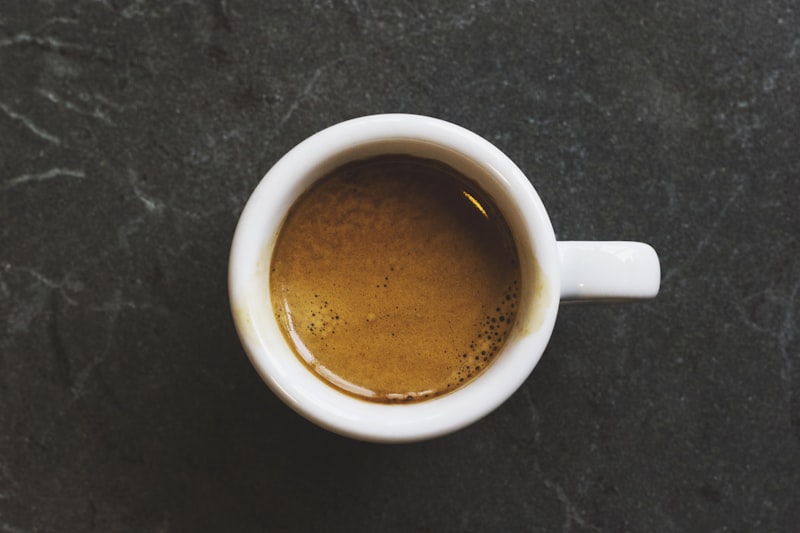
Almost every Italian kitchen has a Moka Pot. For many of us, it was the first “real” coffee maker in the house. And yet, if we are honest, a lot of those little metal pots have produced more burnt, angry coffee than sweet, aromatic espresso-style cups.
This is your rescue guide. Imagine a patient Italian nonna standing next to your stove, gently moving your hand away from the high flame and saying, “Piano, piano. Slowly. We make coffee, not volcano.” We will fix the bitterness with a few simple tricks: hot water, gentle heat, a tiny paper filter, and knowing exactly when to stop the brew.
How the Moka Pot Actually Works
A Moka Pot is a small pressure-driven brewer. Water sits in the bottom chamber. As it heats, pressure from steam pushes hot water up through the coffee bed and into the top chamber. It is not full espresso pressure, but it is much higher than simple gravity drip.
When everything is timed well, you get a strong, syrupy coffee with pleasant bitterness and a little crema-like foam on top. When the timing is off, the coffee bed overheats, steam burns the grounds, and the last part of the brew tastes sharp, metallic, and bitter. Our job is to reduce the time the pot spends on the flame and to keep steam away from the coffee as much as possible.
The Hot Water Method: Saving the Coffee from Roasting
Many instructions still say “fill the bottom chamber with cold water.” This works, but it is how you end up with bitter, roasted-tasting coffee. Here is why.
With cold water, the pot sits on the heat for a long time while the water slowly climbs from room temperature to boiling. During this period, the metal of the pot becomes very hot. The coffee grounds above are sitting inside a hot metal funnel, being baked from below before the water even arrives. By the time extraction starts, some of the delicate aromatics are already gone, replaced by burnt flavours.
The hot water method fixes this. Instead of cold water, you fill the bottom chamber with pre-heated water, straight from the kettle. The water is already close to brewing temperature, so the pot needs only a short time on the stove. Less time on the flame means less roasting of the coffee bed and more of the fruity acidity and sweetness you paid for.
Always start with hot water in the bottom. We want to brew the coffee, not cook it before the water arrives.
The Secret Weapon: Aeropress Filters
Moka Pots have a little metal filter at the top of the coffee basket. It keeps the grounds out of the upper chamber, but it cannot stop the smallest particles. Those fines pass through and make the coffee thicker, more silty, and sometimes more bitter.
A simple trick from the coffee geeks is to add a paper filter on top of the basket. If you have Aeropress filters, they are perfect: just cut one into a small circle the size of the basket, place it over the filled grounds, then screw on the top chamber as usual.
The paper catches many of the fines and some of the oils, giving a cleaner, more balanced cup. The coffee still has the strength and intensity of a Moka Pot, but the texture feels closer to a pour-over: less sludge at the bottom, clearer flavours, and a softer finish.
If you do not have Aeropress filters, you can use any clean, thin paper filter and trim it into a circle. Just make sure the pot can still screw together tightly.
Step-by-Step: A Kinder, Sweeter Moka Pot
What You Will Need
- Moka Pot (3-cup or 6-cup)
- Medium-fine ground coffee (between espresso and drip)
- Freshly boiled water, slightly off the boil
- Low to medium gas or electric heat
- A small paper filter (Aeropress style works beautifully)
The Nonna Method
- Heat the water – Boil water in a separate kettle. Let it sit for a few seconds so it is hot but not violently boiling.
- Fill the bottom chamber – Pour the hot water into the Moka Pot base up to, but not above, the safety valve.
- Add the coffee – Fill the basket with ground coffee, level it with your finger, and do not tamp. A gentle flattening is enough.
- Add the paper filter – Place your small paper circle on top of the coffee bed or under the top metal filter, depending on your pot design.
- Assemble carefully – Using a towel or cloth to hold the hot base, screw the top on firmly.
- Set on low heat – Place the pot on the smallest burner over low to medium heat. Think of warming soup, not searing steak.
- Leave the lid open – This lets you see the flow and control timing more accurately.
From this moment, you are listening and watching. Your goal is a gentle, steady stream of coffee—not a violent fountain.
Watching the Flow: From Golden Stream to Sputter
When the brew starts, coffee flows out of the central spout into the top chamber. In a well-controlled brew, the flow looks smooth and honey-like, starting light in colour and becoming slightly darker as it continues.
If the heat is too high, the water forces its way through too fast, and the stream will shoot up like a small geyser, splashing and making a harsh sound. This is a sign that steam is doing too much of the work, which tends to pull harsher, bitter compounds from the coffee.
At the end of the brew, you will hear a familiar gurgling or sputtering sound. This is the moment most people leave the pot on the stove until it finishes making noise. Nonna would shake her head at that.
Why Sputtering Means Bitterness
By the time you hear that ch-ch-ch and see bursts of steam, most of the liquid water is gone from the bottom chamber. What is left is mainly steam under high pressure. That steam superheats the remaining moisture inside the coffee bed and the metal itself.
Steam rushing through nearly dry grounds extracts the harshest parts of the coffee: burnt notes, dry bitterness, metallic flavours. It also overheats the coffee that is already in the top chamber.
So the rule is simple: you do not want the sputter in your cup. You want to stop the brew just before it begins.
When the stream becomes thin and the pot is about 80–90% full, take it off the heat. If you hear a loud sputter, you waited too long this time.
Cooling the Base: Stopping Extraction
Once you remove the pot from the stove, there is still a lot of heat in the metal and in the remaining water. To stop the brewing process quickly and prevent over-extraction, many Italian home baristas do one simple thing: they run cold water over the bottom of the pot.
This rapid cooling drops the temperature in the bottom chamber and stops steam from building further pressure. It is like telling the Moka Pot, “Basta. Enough. We are done now.” The coffee in the top chamber stays stable, and the flavour does not drift into extra bitterness as it sits.
Material Matters: Aluminum vs. Stainless Steel
If you look at family kitchens across Italy, you will see many old aluminum Moka Pots with blackened bottoms and worn handles. Newer homes often have shiny stainless steel versions. Both work, but they behave a little differently.
Aluminum Moka Pots
Aluminum conducts heat very quickly. This means the pot heats up fast and responds quickly to changes in flame. It also develops a thin oxide layer and a “seasoning” of coffee oils over time, which some people swear adds a familiar, nostalgic flavour.
Because aluminum is softer, it should not go in the dishwasher, and many nonne will tell you never to scrub it with harsh soap. A simple rinse and occasional gentle cleaning is usually enough. Some people notice a slight metallic taste when the pot is new; this often fades as the pot seasons with use.
Stainless Steel Moka Pots
Stainless steel heats more slowly and evenly. It does not react with coffee, so the flavour stays very clean. These pots are often compatible with induction cooktops and are easier to clean thoroughly, sometimes even in the dishwasher (check the manufacturer’s instructions).
If you like a bright, clean taste and have a modern kitchen, stainless steel is a great choice. If you love tradition and the feel of your grandfather’s coffee, an aluminum Bialetti on a gas stove will feel like home.
Aluminum is the nostalgic cousin who cooks fast and loud. Stainless steel is the quiet relative who keeps the kitchen tidy. Both can make wonderful coffee if you treat them kindly.